


Blog
How to Organize Your Closet: A Simple Step-by-Step Guide

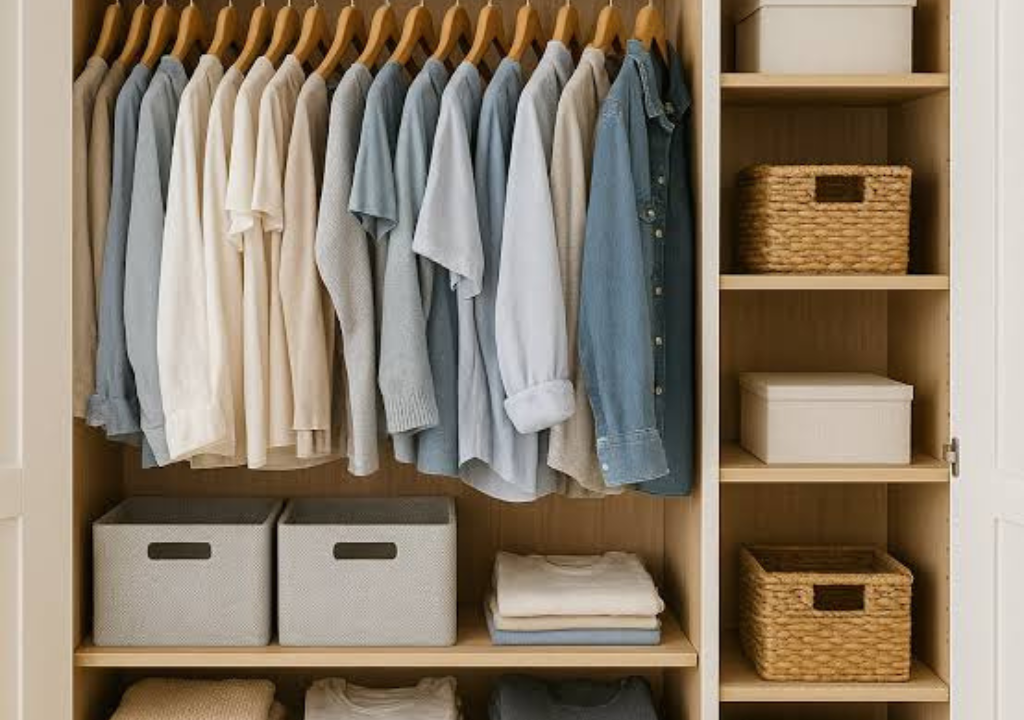
Step 1: Empty Everything Out
Creating a Clean Slate
The first step to an organized closet is removing everything from it. Take all your clothes, shoes, accessories, and storage items out and place them on your bed, floor, or a clean surface. This gives you a fresh perspective on the space you're working with and allows you to thoroughly clean the empty closet.
Cleaning the Empty Space
Before you start putting things back, take the opportunity to vacuum or sweep the floor, dust the shelves, and wipe down the rods and walls. A clean closet feels more inviting and gives your freshly organized space a proper foundation.
Step 2: Sort and Categorize
Grouping Similar Items Together
As you sort through the pile, group items by category. Keep all your shirts together, all pants together, dresses, jackets, accessories, and shoes in their own piles. This helps you see exactly how much of each category you own and makes the next steps much easier.
Separating by Season
Consider dividing your clothing into seasonal categories. Keep the current season's items accessible and ready to wear, while storing off-season pieces in fabric storage bags or under bed containers. This reduces clutter and makes it easier to find what you need each morning.
Step 3: The Decluttering Decision
Keeping, Donating, or Tossing
Go through each item and make a conscious decision about its place in your wardrobe. Keep items that fit well, make you feel confident, and have been worn in the past year. Donate or sell pieces in good condition that no longer fit or suit your style. Toss worn, damaged, or stained items that cannot be repaired.
The One-Year Rule
A helpful guideline is to let go of anything you haven't worn in the past twelve months. Exceptions apply for special occasion wear, sentimental pieces, or true investment items that you genuinely intend to use again. Be honest with yourself about what you will actually wear.
Step 4: Choose the Right Storage Solutions
Assessing What You Need
Before purchasing storage solutions, assess your closet's layout and your specific needs. Count how many hanging garments, folded items, and pairs of shoes you have. This will determine whether you need more shelves, hanging organizers, shoe racks, or drawer inserts.
Investing in Quality Hangers
Upgrading to slim velvet or wooden hangers instantly creates a more cohesive, professional-looking closet. Velvet hangers prevent slippery fabrics from falling while saving up to 60% more space than bulky plastic or wire alternatives. Wooden hangers protect the shape of suits, jackets, and coats.
Maximizing Vertical Space
Make use of every inch of vertical space by adding stackable shelves, double hanging rods, or hanging organizers. Multi-layer hangers hold up to five garments vertically, making them perfect for smaller closets.
Step 5: Optimize Your Layout
Zone by Frequency of Use
Place your most-worn, everyday items at eye level for quick and easy access. Reserve the highest and lowest shelves for off-season clothing, formal wear, or sentimental pieces you wear less often. This layout minimizes the time you spend searching for your daily essentials.
Creating a Logical System
Organize your categories in a way that makes sense for your routine. Many people group by type (shirts, pants, dresses), then by color within each category. Others prefer to organize by outfit, activity, or work versus casual. Choose the system that feels most intuitive to you.
The Golden Triangle
For maximum efficiency, aim to keep your most frequently used items within easy reach—typically between hip and shoulder height. Accessories, belts, ties, and scarves can be stored on the back of the door or on wall-mounted racks to maximize use of the vertical space.
Step 6: Fold, Hang, or Store
What to Hang and What to Fold
As a general rule, hang woven garments like shirts, blazers, trousers, and dresses to preserve their shape and prevent creasing. Fold and stack knitwear, sweaters, and heavier fabrics on shelves to avoid stretching. Proper folding techniques—such as the KonMari method—help keep folded items neat and visible.
Using Storage Bags and Boxes
Fabric storage bags with clear windows are ideal for off-season clothing and bedding. Drawer organizers keep socks, underwear, and accessories neatly compartmentalized. Clear shoe boxes or under bed shoe racks protect footwear while keeping it visible and accessible.
Labeling for Easy Identification
If you are using opaque bins or boxes, clear labeling is essential for quickly locating your items. Choose a labeling system that works for you—whether printed stickers, chalkboard labels, or a simple tape and marker approach—and stick to it consistently.
Step 7: Maintain Your System
A Five-Minute Daily Reset
Spend five minutes each day putting items back in their designated spots. A quick reset in the morning or before bed will help prevent clutter from building up. Getting into this habit makes the process feel seamless and manageable.
Seasonal Rotations
At the change of each season, rotate your stored items. Move current-season clothes to the most accessible spaces and pack away out-of-season pieces in labeled storage bags. This prevents your closet from becoming overcrowded and gives you a fresh look twice a year.
Regular Decluttering
Schedule a mini-decluttering session twice a year—ideally at the change of seasons. This ensures your closet remains optimized and your wardrobe continues to reflect your current style and needs. It is much easier to maintain an organized space than to completely reorganize it from scratch.
Final Thoughts: The Benefits of an Organized Closet
Saving Time in Your Daily Routine
An organized closet makes getting ready faster and less stressful. You can easily see what you own, quickly find the item you need, and avoid rummaging through piles of clothes to create an outfit.
Making Better Style Choices
When your clothing is visible and accessible, you are more likely to wear the pieces you own. An organized wardrobe helps you discover forgotten items, mix and match more effectively, and avoid unnecessary purchases.
Reducing Stress and Clutter
A tidy closet creates a sense of calm and control over your environment. The mental benefits of an organized space extend beyond just your wardrobe—it sets a positive tone for your entire day and helps you feel more focused and put together.